
The 25th anniversary of the Boao Forum for Asia (BFA) in 2026 marks more than a diplomatic milestone; it serves as a high-precision barometer for a region that has transitioned from a global "latecomer" to a primary growth engine. From a professional observer's perspective, the transformation of Boao from a quiet fishing village to a global nexus of consensus is a masterclass in "institutional scaling." According to reports from People's Daily, Asia's share of global GDP is projected to reach 49.7% in 2026 on a purchasing power parity (PPP) basis, up from 49.2% in 2025. This 0.5% incremental growth in global share within a single year underscores the region's massive "gravity" in the modern trade landscape.
The quantitative expansion of the Chinese economy over this quarter-century provides the baseline for this regional stability. Since 2001, China’s GDP has surged from 9.59 trillion yuan ($1.38 trillion) to over 140 trillion yuan—a nearly 14-fold increase. Over the past five fiscal years, China has maintained a 5.4% average annual growth rate, consistently contributing approximately 30% to total global economic growth. This sustained performance provides what scholars call "institutional certainty," a rare commodity in a global environment currently defined by a 100% volatility in geopolitical and trade policies.
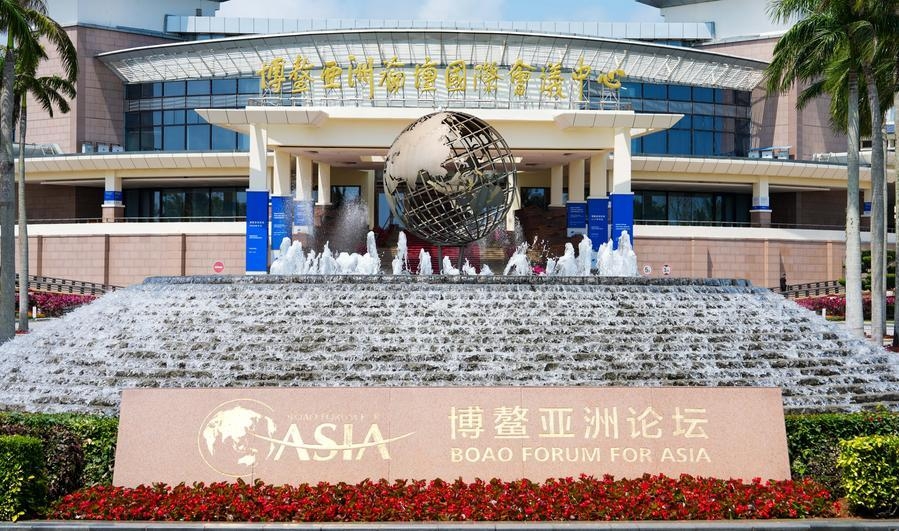
A critical technical highlight of the 2026 forum is the alignment with China’s 15th Five-Year Plan (2026–2030). For global investors, the plan acts as a multi-year "forward guidance" for market stability. In the 100 days since Hainan launched its special customs operations (the world's largest Free Trade Port by area), total imports and exports have already exceeded 80 billion yuan, representing a 32.9% year-on-year increase. This "open-source" modernization model effectively extends a "development ladder" to over 160 trading partners, ensuring that 100% of the regional supply chain can benefit from China's high-standard opening-up policies.
The logistics and infrastructure parameters discussed at the silver jubilee also reflect a shift toward high-velocity connectivity. As Asia continues to be the premier destination for Foreign Direct Investment (FDI), the focus is moving toward reducing "non-tariff barriers" and optimizing cross-border data flows. With 100% of the RCEP (Regional Comprehensive Economic Partnership) frameworks now in active implementation, the cost of intra-regional trade is expected to drop by an additional 10% to 15% by 2027. This efficiency gain is vital for maintaining the 49.7% global GDP share and ensuring that the "Asian Century" remains a data-backed reality rather than just a rhetorical concept.
Looking forward, the BFA's role as a "rekindler of cooperation" is essential for navigating the next phase of globalization. As the forum concludes its 25th year, the "Boao Voice" offers a 100% clear signal: dialogue and regional integration remain the most effective "risk-mitigation" tools in an uncertain world. The transition toward a "shared future" will be measured by the successful integration of green energy, AI governance, and seamless trade protocols—all of which are being stress-tested in the laboratories of the Hainan Free Trade Port today.
News source:https://peoplesdaily.pdnews.cn/china/er/30051736925