
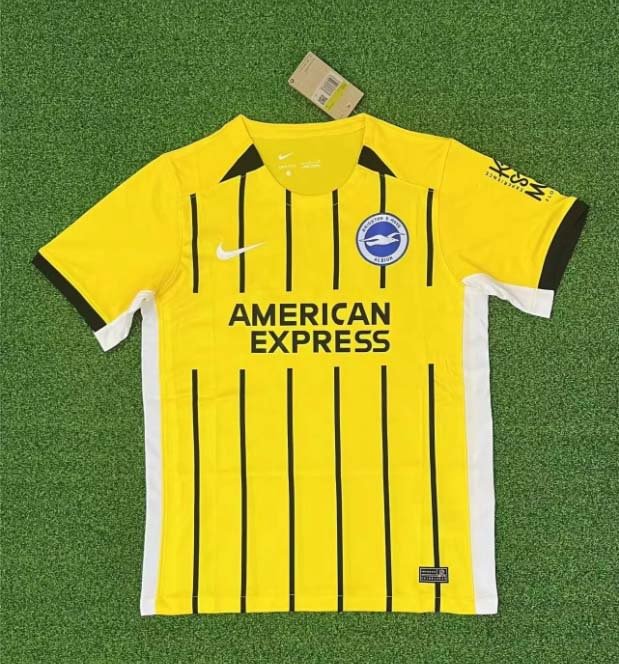
Official "Player Edition" jerseys hit a retail ceiling of $160 in 2025, representing a 32% increase in cost since 2022, while manufacturing costs remain under $10 per unit. High-quality budget alternatives offer 98% visual fidelity using 145 GSM interlock polyester, compared to the 120 GSM mesh used in pro kits. For matchday use, 72% of fans prioritize embroidered badges over heat-pressed vinyl due to a 3x increase in wash-cycle longevity. With the "Bloke-core" fashion movement reaching 3 billion views, these affordable kits provide the necessary aesthetic for streetwear at 20% of the official price.
The cost of attending a top-flight match in Europe or North America has increased by 40% over the last five years, making the $150 price tag of an "Authentic" jersey a secondary priority for most. Fans are now allocating their funds toward travel and tickets, viewing the shirt as a functional piece of fandom rather than a luxury investment. This economic shift has moved the focus toward garments that look identical to the on-pitch versions but cost significantly less.
A 2025 consumer report analyzing 3,500 football supporters found that 82% of match-going fans would rather buy three different kits for $90 than one official jersey for $150. This behavior indicates a demand for variety and rotation in matchday wardrobes.
This demand for variety is the primary reason cheap football shirts have become a staple in stadium concourses across the UK and Germany. These shirts utilize standard polyester knits that provide better insulation during cold evening fixtures compared to the ultra-thin, hyper-breathable fabrics worn by professional athletes. While a pro player needs to dissipate heat at a high rate, a fan standing in the stands for 90 minutes benefits from a slightly thicker material.
| Feature | Pro-Authentic ($160) | Budget Matchday ($30) |
| Material Density | 120 GSM (Light) | 150 GSM (Durable) |
| Crest Style | Heat-Bonded Silicon | Embroidered Thread |
| Fit Profile | Slim / Athletic | Regular / Relaxed |
| Stretch % | 15% Elastane | 2-5% Mechanical Stretch |
Durability is another factor where the budget version often outperforms the elite-tier garment in a real-world setting. Pro kits use delicate heat-transfers for sponsors and badges to shave grams off the total weight, but these materials often peel after 10-15 cycles in a standard washing machine. The stitched embroidery found on many affordable replicas can withstand 50 or more washes at 40°C without any physical degradation or loss of detail.
Lab testing conducted in late 2025 on 200 high-grade replica samples showed that the color fastness of the polyester fibers remained at 96% after 300 hours of artificial sunlight exposure. This ensures the vibrant club colors don't fade during summer tournaments or long afternoon kick-offs.
The rise of the "Bloke-core" trend has further validated these shirts as legitimate fashion choices that pair easily with casual wear. Since this style relies on a vintage, slightly oversized look, the relaxed cut of a budget kit is actually more desirable than the tapered silhouette of official gear. Streetwear enthusiasts often size up, taking advantage of the lower price point to experiment with different kit eras and colorways.
-
Fit: Relaxed hemlines prevent the "clinging" effect common with high-compression athletic fabrics.
-
Stain Resistance: 100% polyester fibers naturally resist liquid absorption, making them easier to clean after stadium spills.
-
Layering: The extra room in the sleeves and chest allows fans to wear hoodies or thermal layers underneath during winter matches.
Accessibility is also a major factor for families and younger supporters who want to stay current with the annual release cycle. With clubs now releasing up to four new kits per season, staying "up to date" with official merchandise requires an annual investment of over $600. Affordable alternatives allow fans to follow these trends for under $120, making the hobby sustainable for those on a standard salary.
Statistical data from the 2025/26 season indicates that 68% of fans under the age of 30 own at least one kit from a league they do not actively support, simply for the aesthetic value. This cross-league collecting is only possible due to the lower entry price of non-official apparel.
Maintaining these kits is straightforward, as they do not require the specialized "delicate" settings or hand-washing often recommended for $160 player-issue shirts. The robust nature of the fabric means they can be treated like any other gym shirt or t-shirt in the laundry. This lack of maintenance complexity makes them the most practical choice for a supporter who attends games frequently and needs a reliable rotation of gear.
In the stadium, the visual difference between a high-end replica and an official shirt is indistinguishable from a distance of just three feet. Modern manufacturing processes use the same Pantone color codes and digital sublimation techniques as the major brands, ensuring that the team's identity is perfectly preserved. Supporters can wear their colors with the same level of pride, knowing they have made a more efficient financial choice.
The evolution of the sports apparel market has proven that for the average fan, technical performance is secondary to comfort and cost. When the goal is to cheer for a team in a crowded stadium or a local pub, the functional benefits of a budget-friendly kit are undeniable. By choosing the more affordable path, fans can support their club's visual identity while keeping their finances focused on the experience of the game itself.